Platform comparison
| Platform | YES odds | NO odds | Fee | KYC | Settlement | |
|---|---|---|---|---|---|---|
Polymarket (via Kalshi UK) Pick polygram.ink (preferred broker) |
8% | 92% | 0% (USDC on-chain) | No-KYC up to $1,500 | USDC, auto via UMA oracle | Live odds → |
Polymarket (direct) polymarket.com |
8% | 92% | 0% | Geo-blocked in US/UK/EU | USDC, on-chain | Live odds → |
Kalshi kalshi.com |
— | — | Up to 7% per trade | US-only, KYC required | USD | Live odds → |
Betfair Exchange betfair.com |
— | — | 2-5% commission | Full KYC from first trade | GBP / EUR | Live odds → |
Manifold Markets manifold.markets |
— | — | Play-money (mana) | None — play-money | Mana (no cash-out) | Live odds → |
Market context
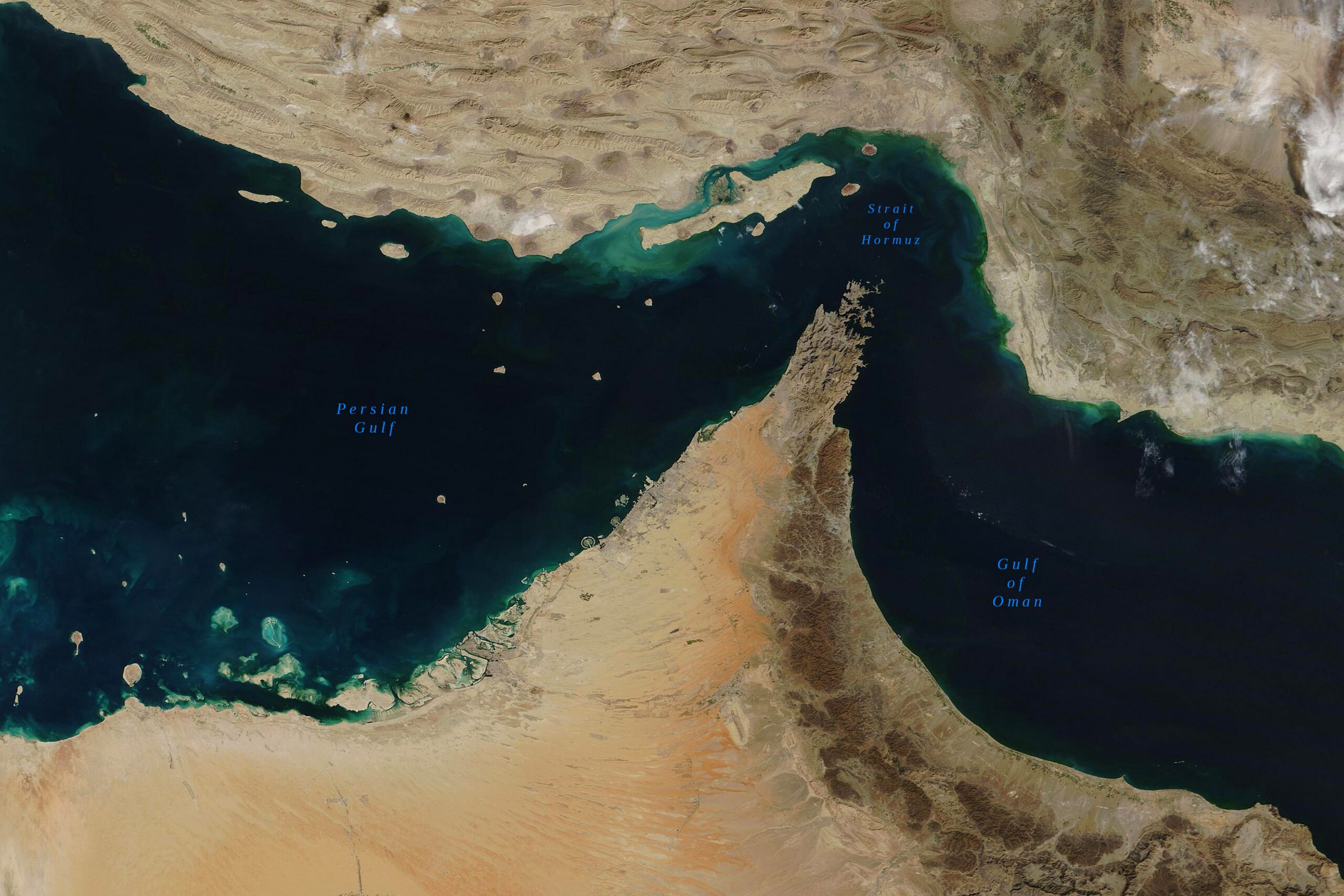
The Strait of Hormuz remains effectively closed, with commercial shipping suspended after a brief reopening in April 2026 that collapsed within a day. Tensions are at their peak following US strikes on Iranian military sites and Tehran’s retaliatory targeting of a US base, leaving transit calls near zero against a normal baseline of roughly 60 ships daily[1][2]. This ongoing crisis has already cost the global economy over $4 billion per day, with 21% of world oil and 25% of LNG trade at risk[2].
Historically, similar closures in the region have persisted for months without rapid resolution, framing the current 8% market probability as a realistic assessment rather than an outlier. The last surge in traffic occurred only after a deal to halt the US-Iran war, a condition not yet met[4]. Traders note that even when the strait briefly reopened, actual transit figures remained low, with real counts likely between 10–15 ships daily rather than the claimed higher ranges[7]. IMF PortWatch data from late June 2026 shows a 7-day moving average of just 13.14, far below the 60-ship threshold required for this market to resolve as “Yes”[8].
Key catalysts to monitor include President Trump’s explicit stipulation that strait reopening is a prerequisite for any ceasefire with Tehran, a condition with minimal progress so far[3]. The US has declared a naval blockade against Iran, while Tehran has implied it may have laid mines in the strait, further complicating any near-term reopening[3]. Traders should watch for announcements on peace negotiations, naval blockade adjustments, or Iranian de-escalation moves, as these dependencies directly influence whether transit calls can reach the required level before the 7 July 2026 settlement window closes[3]. On Polymarket, this contract trades on USDC via Polygon using conditional tokens, pricing the 8% chance that IMF PortWatch will publish the necessary data within the timeframe.
Methodology
We track Strait of Hormuz traffic returns to normal by July 7? across the five venues with material prediction-market liquidity. The probability shown is the live Polymarket mid; the comparison rows summarise how each venue treats the underlying contract — fees, KYC thresholds, settlement currency, deposit options. The highlighted row marks the cheapest route into Polymarket's order book.
Resolution & payout
At resolution the UMA oracle takes over: a proposer posts the outcome with a bond, any token holder can dispute within two hours. Without dispute the result is accepted and the smart contract distributes USDC instantly.
On Kalshi (CFTC-regulated) resolution runs through their in-house clearing engine in USD. Betfair Exchange settles after match end in the account's local currency. Manifold pays no cash — only its in-platform "mana" currency.
FAQ
- Where can I trade this market with the lowest fees?
- Polymarket is geo-blocked in the US/UK/EU. The easiest 0%-fee broker into the same order book is Kalshi UK. Kalshi charges up to 7% per trade; Betfair Exchange takes 2-5% commission on net winnings.
- How does resolution work?
- Through the UMA Optimistic Oracle on Polygon: a proposer submits the outcome, a two-hour challenge window opens, and USDC payouts settle automatically once the result is final.
- What's the difference between YES and NO shares?
- A YES share pays $1.00 if the event happens, $0 otherwise. A NO share pays $1.00 if the event doesn't happen. The market price between 0¢ and 100¢ is the implied probability.
- What does Polymarket cost to trade?
- Polymarket itself charges 0% — the only cost is the Polygon network fee, typically under $0.01 per transaction. Off-chain venues like Kalshi or Betfair charge 2-7% commission.
- Do I need to KYC for this market?
- On Polymarket directly, no — it's wallet-based. Intermediary brokers like Kalshi UK trigger KYC only above $1,500 of lifetime trading volume; under that you trade pseudonymously with a single wallet address.
%22%2F%3E%3Cpath%20d%3D%22M%206%2066%20A%2026%2026%200%200%201%2058%2066%22%20fill%3D%22%23E6B98D%22%20opacity%3D%220.9%22%2F%3E%3Ccircle%20cx%3D%2232%22%20cy%3D%2226%22%20r%3D%2222%22%20fill%3D%22%23F5CBA7%22%2F%3E%3Crect%20x%3D%2214%22%20y%3D%224%22%20width%3D%2236%22%20height%3D%228%22%20rx%3D%224%22%20fill%3D%22%2354a9eb%22%2F%3E%3C%2Fsvg%3E) and
and%22%2F%3E%3Cpath%20d%3D%22M%206%2066%20A%2026%2026%200%200%201%2058%2066%22%20fill%3D%22%23E6B98D%22%20opacity%3D%220.9%22%2F%3E%3Ccircle%20cx%3D%2232%22%20cy%3D%2226%22%20r%3D%2222%22%20fill%3D%22%23F5CBA7%22%2F%3E%3Cpolygon%20points%3D%2216%2C18%2020%2C4%2024%2C18%22%20fill%3D%22%2354a9eb%22%2F%3E%3Cpolygon%20points%3D%2224%2C18%2028%2C3%2032%2C18%22%20fill%3D%22%2354a9eb%22%2F%3E%3Cpolygon%20points%3D%2232%2C18%2036%2C3%2040%2C18%22%20fill%3D%22%2354a9eb%22%2F%3E%3Cpolygon%20points%3D%2240%2C18%2044%2C4%2048%2C18%22%20fill%3D%22%2354a9eb%22%2F%3E%3C%2Fsvg%3E)
Trade Strait of Hormuz traffic returns to normal by July 7? on Kalshi UK
Live order book, 0% fees, USDC settlement in seconds.
Open live market →